



HAL Funding

Nebraska Rule 3 provides funding to support services for High Ability Learners (HAL). Districts may apply individually or participate in a consortium with other districts.
2026-2027 HAL Funding Application Window: Aug. 17, 2026-Sep. 30, 2026
How HAL Funding is Calculated
The funding formula operates the same way as it does for individual districts.
Base Funds
Each participating district is eligible for approximately $2,300 in base funding.
Matching Funds
Matching funds are calculated based on the number of HAL-identified students across the consortium, up to 10% of total student membership.
If accepting matching funds, the district must commit local dollars in the amount of at least 50% of the state matching amount.
Example: If the Matching Amount from the state is $1,000, the district must commit $500 to HAL.
HAL Funding Application
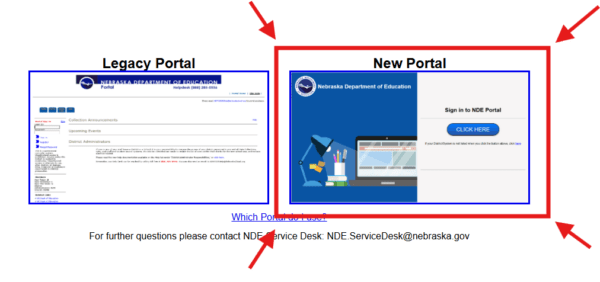
To access the HAL Funding Application, please visit the new NDE Portal (*NOTE: This application is in the New Portal.)
Instructions for Filling Out the Application
- 2025-2026 HAL Instructions
- Example HAL Plan (required for the application)
- High Ability Learner Plan Outline to Use
Consortium Funding (Rule 3)
A Rule 3 HAL consortium allows multiple districts to apply for High Ability Learner (HAL) funding together as one entity.
- One district or ESU serves as the fiscal agent and submits a single application
- All HAL funds are paid to the fiscal agent
- The consortium operates under one approved HAL plan
- Participating districts collectively meet the local match as defined in a consortium MOU
Consorting is optional. Districts may apply individually, as a consortium, through an ESU, or not at all
Intent to Consort Form
- Required for districts applying as a Rule 3 consortium
- Identifies participating districts and the fiscal agent
- Submission is binding for the identified school year once accepted by NDE
- Must be submitted by July 1, 2026 for the 2026–27 funding cycle
- The fiscal agent completes the application during the window (August 1-September 15, 2026)
Submit the Intent to Consort Form
How Funding Works
Funding calculations follow the same formula used for individual districts but are combined across the consortium.
Base Funding
Approximately $2,300 per participating district, pooled and awarded to the fiscal agent
Matching Funds
- Based on total HAL-identified students across districts (up to 10% of enrollment)
- Approximately $72–75 per student (varies annually)
- The consortium must provide a 50% local match, divided as outlined in the MOU
Example: 10-District Consortium
- Base funds: 10 × $2,300 = $23,000
- Enrollment: 4,000 students → 400 HAL students (10% cap)
- State match: 400 × $72 = $28,800
- Required local match: $14,400
- Total HAL funds available: $66,200
Key Differences from Individual Applications
- One application and one fiscal agent
- Funds and reporting managed centrally
- HAL students counted across all participating districts
- A local MOU is required
Fiscal Agent Responsibilities
- Submit the Intent to Consort form and HAL application
- Manage funds, accounting, and required reports
- Maintain and publish the HAL plan
- Serve as the primary contact with the Nebraska Department of Education
- Fiscal agents may use funds for administrative support as outlined in the MOU
If you have any questions, email sheyanne.smith@nebraska.gov